Everything you'll find in this guide
- 01What you must tryThe six dishes that define the city
- 02BreakfastTomato toast, tortilla, coffee with a splash of brandy
- 03Mid-morning: the almuerzoCured-fish rolls, montaditos, draft beer
- 04Rice dishesA banda, senyoret, black rice, costra, fideuà
- 05Inland Alicante cookingOlleta stew, pericana, gazpacho manchego, borreta
- 06Fish and seafoodQuisquilla prawns, red prawn, dried octopus, fish stew
- 07Central MarketEating standing up, whatever came in that day
- 08Cured fishMojama, roe, capellán, salt cod
- 09Tapas and barsRussian salad, croquettes, gilda, coca, artichoke
- 10Spanish cuisineTortilla, ham, octopus Galician-style, suckling pig, pintxos
- 11Mediterranean cuisineHummus, moussaka, couscous, pasta, salt-baked fish
- 12What it costsFrom €6 to €50: the real range
- 13Set lunch (menú del día)Starter, main, dessert and drink
- 14All-you-can-eat buffetsFixed price, good for families and groups
- 15Sweets and dessertsTurrón, ice cream, horchata, cheesecake
- 16Dinner: ItalianNeapolitan pizza, carbonara, burrata
- 17Meat and grillEntrecôte, secreto, T-bone, picanha
- 18International AlicanteArepas, tacos, kebab, sushi, poke, Lebanese
- 19Late-night foodBurgers, kebab, churros, sandwiches
- 20By areaCentre, Explanada, harbour, San Juan, neighbourhoods
- 21All the venuesMenus checked dish by dish
What you must try
Let's be honest: locals and visitors alike come here for rice. Not just any rice, either — forget paella loaded with seafood and chorizo, that's a local sacrilege. Rice here follows its own rules and its own timing. Arroz a banda is the undisputed classic: the fish is cooked separately ("a banda" means "apart") to make a broth that's pure umami, and the rice absorbs that broth, so you mop up every last drop of it with bread.
But it doesn't stop there. There's arroz con costra, a jewel from the Vega Baja that Alicante also claims as its own, topped with beaten egg baked until it forms a golden crust. It's not an everyday dish — it's rich — but on a celebration day, in a country house or a traditional restaurant near El Palmeral or Palamó, it's worth every bite.
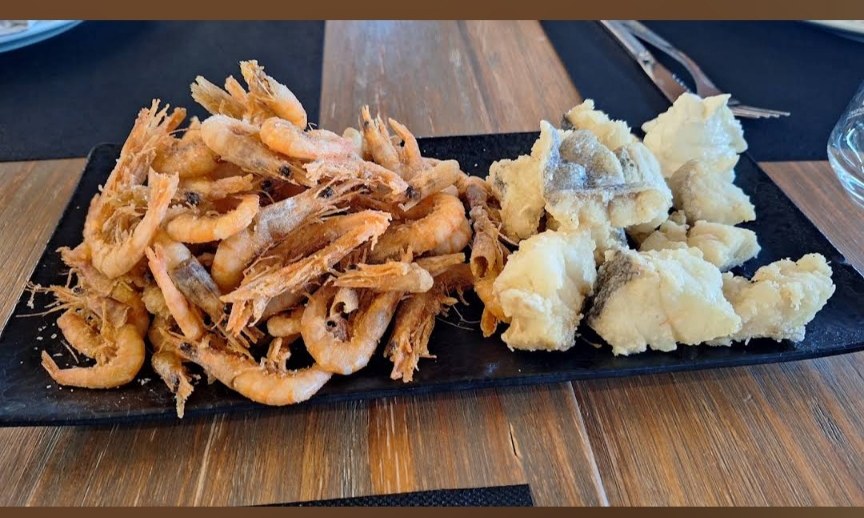
It's not all rice, either: this is a fishing city, with a market that brings in fresh catch every day. Quisquilla prawns, small and almost translucent, boiled just right in sea water, taste of salt spray and the port — you'll find them at any market stall around the Mercado Central. In season, around summer, any bar will serve them with a squeeze of lemon and that's all they need.
Then there's coca amb tonyina, the traditional prelude to the Hogueras de San Juan festival, though it's eaten all through June and July. Think of a thin, crisp base, closer to pizza dough but different, topped with slow-cooked tuna belly and onion, pine nuts and sometimes a touch of paprika. Tradition says you eat it with fresh figs ("bacores"): a sweet-and-savoury combination that's hard to beat.
And to finish, turrón. Yes, turrón — it's not just a Christmas thing, whatever the association in your head.
One more you shouldn't miss: the Alicante "olleta", a humble, hearty stew, perfect for the cooler autumn and winter days.
Breakfast
In Alicante breakfast isn't just about filling up; it's a genuine ritual. Most locals have it standing at the bar, first thing in the morning. Between eight and half past ten, especially around El Pla or near the Mercado Central, the bars are packed — a chorus of voices and clinking cups.
What do people order for this daily ceremony? The classics, of course. Café con leche is king. If you want something shorter and stronger, go for a cortado. To dip, tomato toast with olive oil is the go-to — simple but never disappoints. The oil is always local, from the province, which gives it its own aroma and flavour.
Then there are churros with chocolate. Not an everyday thing, since a balanced diet matters too, but once in a while it's a treat worth having. The good ones, made fresh at an old-school churrería that smells of cinnamon and sugar from the corner, are crisp outside and soft inside. The chocolate should be thick enough to stick to the churro and leave a mess on your face.
A friendly tip for visitors: don't ask for a "continental breakfast" here. Ours is more authentic and rooted in tradition. Don't overthink the choice, either — it's simple: coffee, toast and maybe something else if you fancy it. Just pick what appeals and let yourself be carried along by the buzz and the smell of fresh coffee.
What looks like a simple breakfast is, in fact, one of the pillars of daily life in Alicante.
Mid-morning: the almuerzo
Here in Alicante, the mid-morning break isn't a light snack to trick your stomach — it's practically a ritual. Between eleven and one, the bars fill up completely. You'll see builders still dusted in plaster, office workers in tailored jackets and retirees with the newspaper under their arm, all sharing a table, laughs and, most importantly, the almuerzo (the mid-morning meal).
What keeps everyone going for the rest of the day? A few classics never fail. The grilled cuttlefish sandwich is an institution, served with mild mayonnaise or, for the brave, homemade allioli. Another fixture is the loin-and-pepper roll, simple but always satisfying.
A common mistake visitors make is ordering coffee at this point. You can, no one will stop you, but it's not quite the spirit of the almuerzo. Here the usual order is a small beer, ice cold with a bit of foam on the moustache, or a glass of local white wine if you want something more refined.
Don't expect fancy décor — this is workers' food at its most genuine. The bars are simple, formica tables carrying the scars of old battles, sturdy chairs that have survived decades.
One memory that sums it up: a bar in the San Blas neighbourhood, the kind that smells of history and fried food.
Rice dishes
Rice at midday is in our DNA. It isn't just another meal — it's a ritual that, between half past one and half past three, brings the city to a standstill. This isn't food to bolt down and run; it's meant to be savoured, grain by grain.
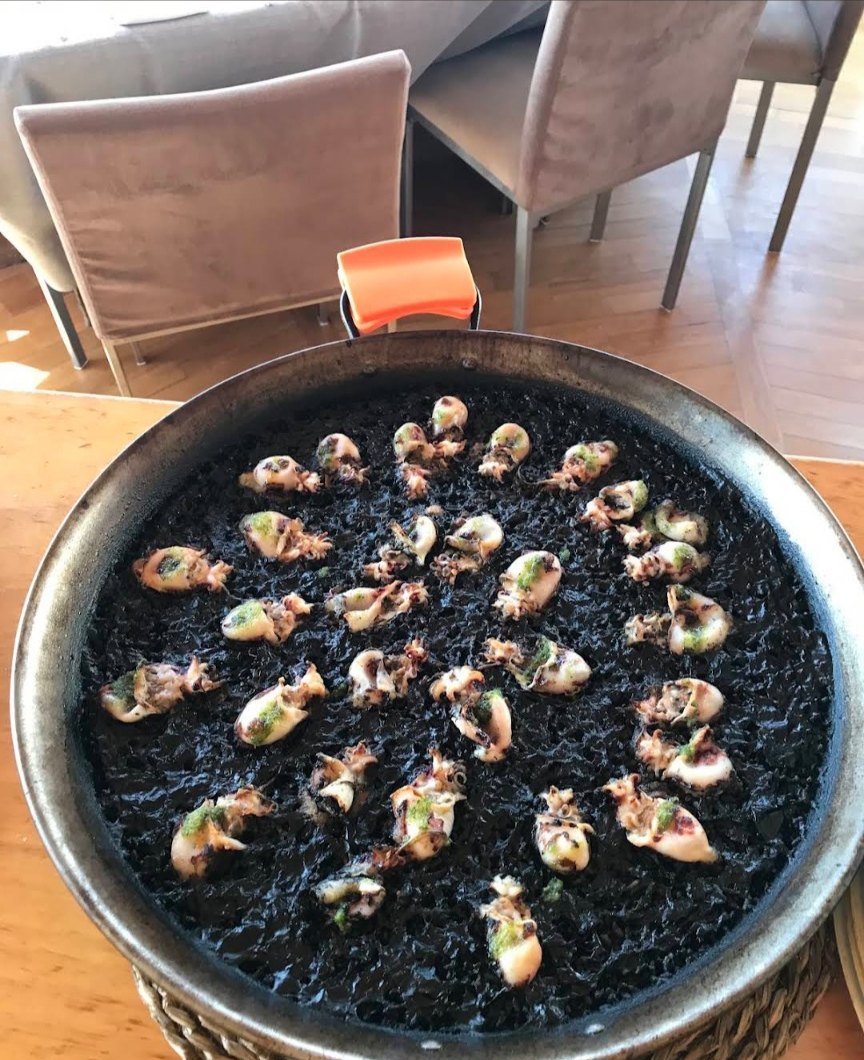
Arroz a banda is a textbook classic, all about the sea with no distractions. The name means "apart": the fish is cooked separately to extract every bit of flavour into a broth, and that broth is what cooks the rice. The result is a sticky, sea-flavoured rice that tastes like the fish market itself.
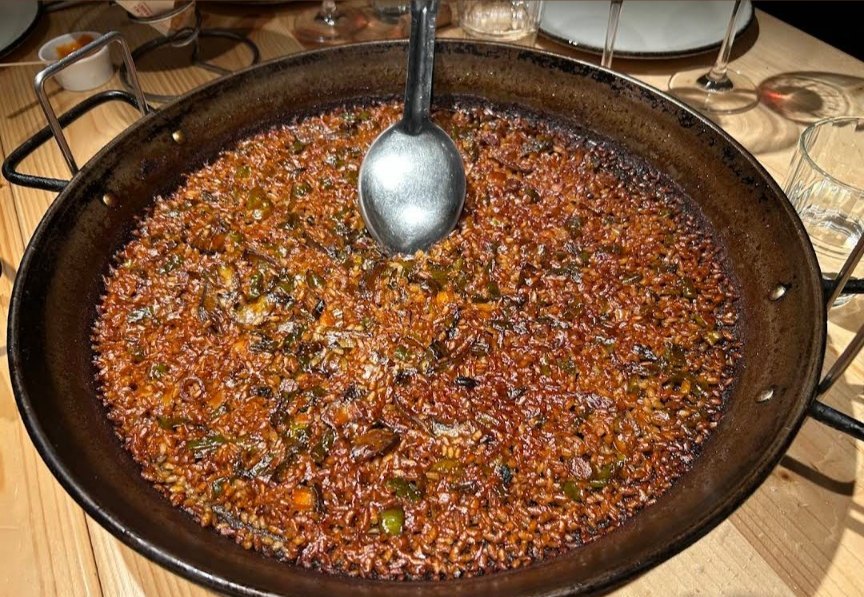
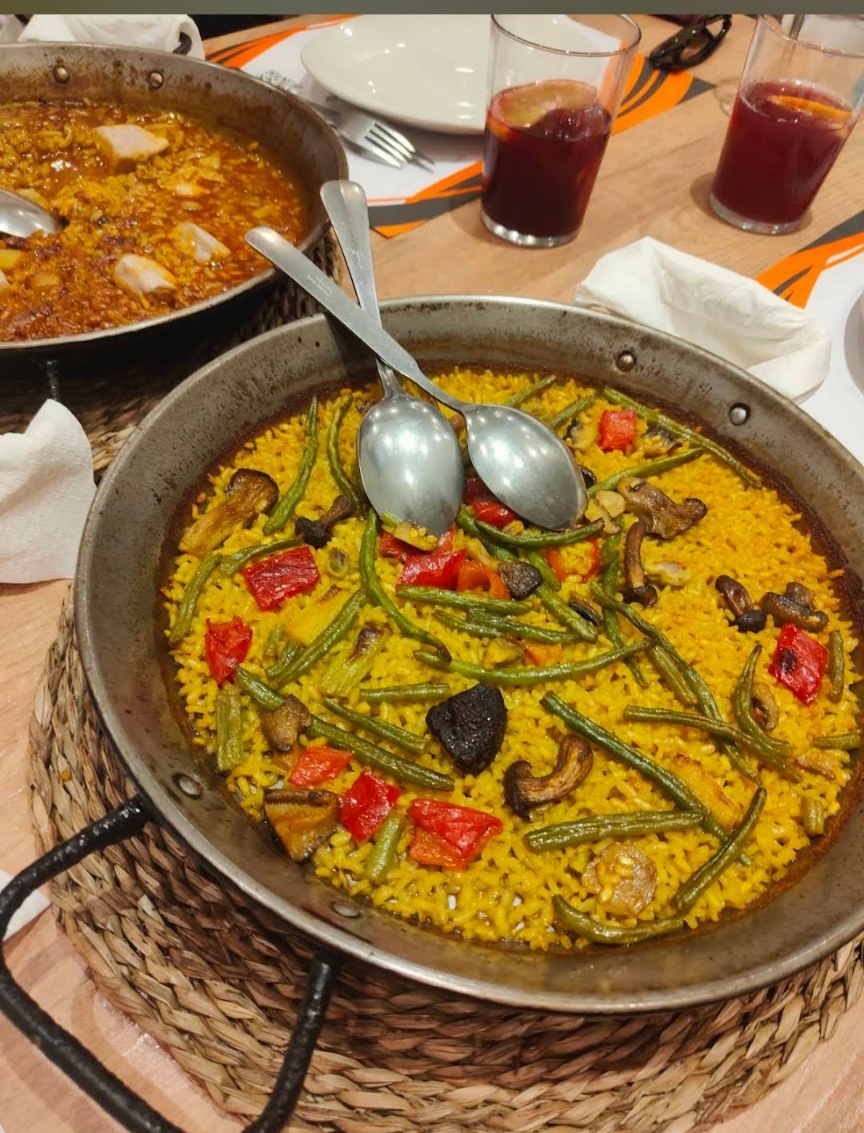
Then there's arroz del senyoret — literally "the gentleman's rice" — for anyone who doesn't want to get their fingers dirty. All the seafood in it (prawns, squid, cuttlefish) comes already peeled and cut, ready to eat with just a fork.
And for something hearty, arroz con costra: baked in the oven with sausage and meat, finished with a layer of beaten egg that sets into a golden crust. It's a dish that warms you from the inside — not exactly light, so it's more of an autumn or winter dish unless you're a true local unbothered by the heat.
Fideuà, though not technically rice, has earned its place here too — the cousin of the rice dishes, made with short toasted noodles that soak up all the seafood flavour. Tradition says you eat it straight from the pan with a wooden spoon: a communal experience.
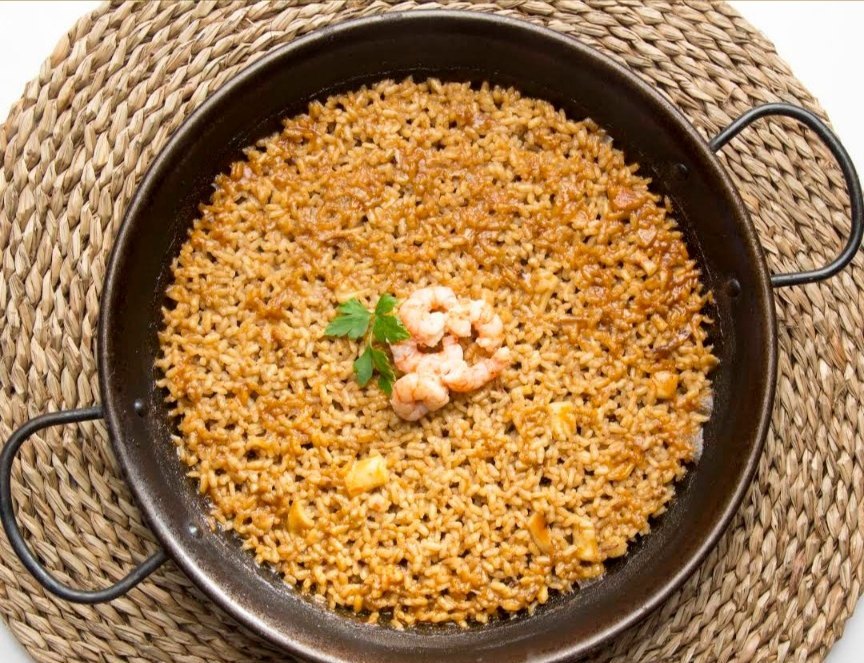
And then the crowning moment, the holy grail for any rice cook worth their salt: the socarrat, the crisp, caramelised layer that sticks to the bottom of the pan.
Inland Alicante cooking
The coast here is famous for arroz a banda and cured fish that will blow your mind — we all know that. But the inland mountains tell a different story: hearty, spoon-food flavours and traditions felt in every bite. Where the sea doesn't reach, dishes are made with what the land, dry farming and the farmyard provide.
Inland cooking means pericana, a mountain-village staple you'll find in any tavern in the Sierra: shredded dried cod, dried red peppers, plenty of extra virgin olive oil and purple garlic, all mashed together by hand.
There's also pebrereta, similar to pericana but with roasted tomatoes and red peppers — milder and sweeter, a good starting point for these bold flavours. You'll find it in bars around Alcoi or Cocentaina, often as a tapa with beer. And giraboix, a chard-and-chickpea dish born from a thrifty pantry.
Dry-farming cuisine, the mountain kind, is the opposite of the coastal one.
And don't think this food is only for cold days.
Fish and seafood
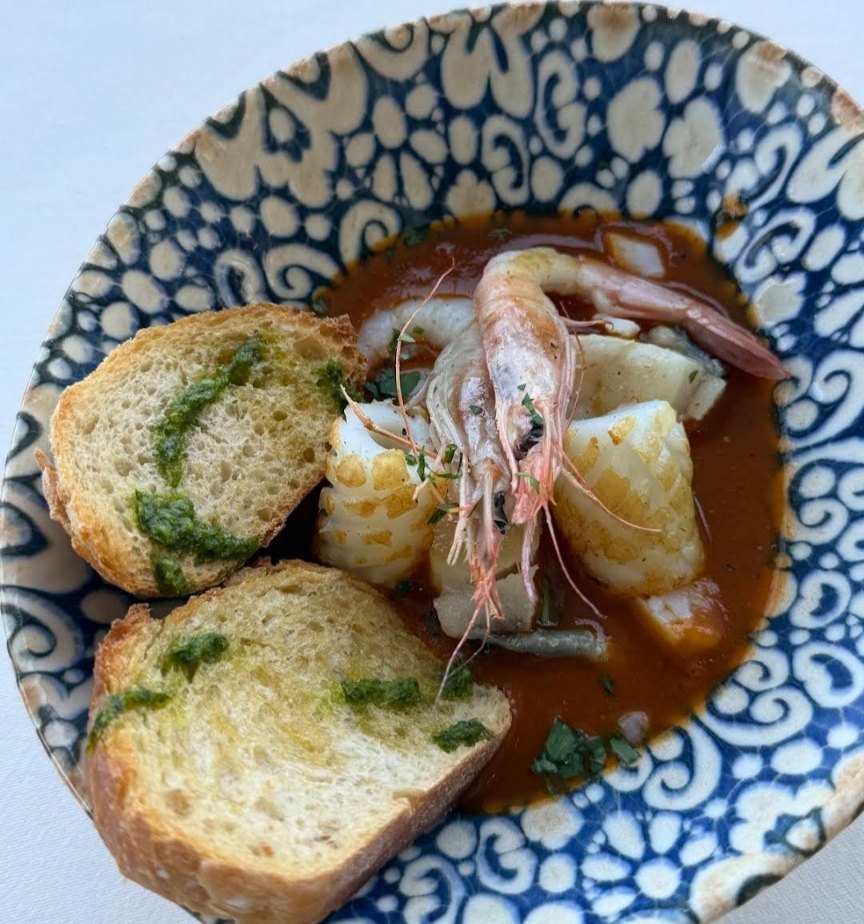
When Alicante talks about the sea, it doesn't mess around. Santa Pola's quisquilla prawn is one of those things you need to taste to understand: small but full of character, sweet, eaten by the handful, and tasting exactly like the port. Size isn't the point — texture and flavour are.
Dried octopus baffles anyone not from here — stiff, almost like a piece of decoration. But locals who've eaten it since childhood, at grandma's house or any tavern in El Pla, know it's a delicacy. A small piece grilled with a splash of extra virgin olive oil is all it needs.
Grilled cuttlefish is another local staple, present on every beach-bar and city-centre menu near the Explanada. Fresh, cooked just right, with chopped garlic and parsley — the kind of dish everyone orders to share and then wishes they'd ordered one just for themselves.
Wild sea bream or sea bass, grilled whole with the head on, are another must — real sea flavour, not farmed fish. A simple drizzle of olive oil and maybe some patatas a lo pobre on the side is all it takes.
To really understand all this, visit one of the fish markets — Santa Pola's at dawn, with its auction and bustle, or the one by Alicante's harbour, or the Mercado Central in the city centre, a temple of local food.
It's not just about eating; it's about the whole process, the respect for the product from sea to plate.
Central Market
For long-time locals, the Mercado Central is far more than a place to stock the fridge; it's the true heart of the city's food scene, the starting point of everything good that ends up on the plate. Go early, when the sun is barely up over the Postiguet, and the smell of sea and countryside already fills the air.
After a couple of laps — practically compulsory — and a taste of cured cheese or homemade cold cuts at some stall, you realise the market is a world of its own, not just for the daily shop. The counters scattered through the aisles, inside and out, are irresistible at midday: grilled red prawns, calamares a la andaluza, and to finish, a cold horchata or an artisan ice cream.
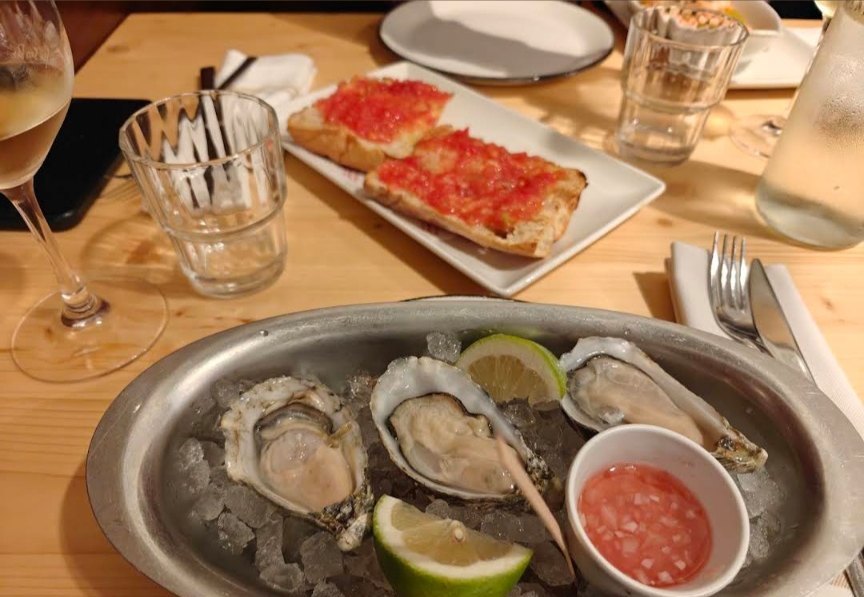
The atmosphere at that hour is simply unmatched.
But be warned: the market keeps its own schedule, and if you're not paying attention you might miss out.
Cured fish
In Alicante, cured fish (salazones) is more than a habit — it's practically a religion, savoured at any bar worth its salt around the centre, the Barrio or Plaza de Gabriel Miró. This ancient way of curing fish in salt, used by generations before refrigeration existed, was once the only way to preserve food.
Mojama (cured tuna loin) is a must: pressed and cured tuna loin, sliced almost paper-thin and served with a generous drizzle of local extra virgin olive oil. Some add toasted marcona almonds from the Mercado Central for crunch, but it's just as good on its own.
Then there's capellán, a humbler fish but with a flavour that hits hard — cod or blue whiting dried in the sun on rooftops or old patios in the Raval Roig, where the salty sea air gives it a distinctive touch.
It's eaten boneless, spread on a slice of country bread with grated tomato from the local market gardens. An expert would pair it with thinly sliced spring onion and a good drizzle of oil — bold, authentic flavour that takes you straight back to old Alicante.
Cured fish is such a deep part of local identity that it shows up at every festivity. What would a barraca at the Hogueras festival be without a plate of mojama, roe and capellán alongside the sangria?
And then there's salt cod, a chapter of its own in local cooking.
Tapas and bars
Tapas here are almost a way of life. Don't expect big neon "TAPAS" signs — they're simply there, on the bar, waiting. Some places never change their signature bites; others rotate the menu so you always have a reason to come back.
Don't expect the same tapa everywhere — every cook has their own style. But some classics never fail, like montaditos: small, varied, perfect for tasting a bit of everything without overdoing it.
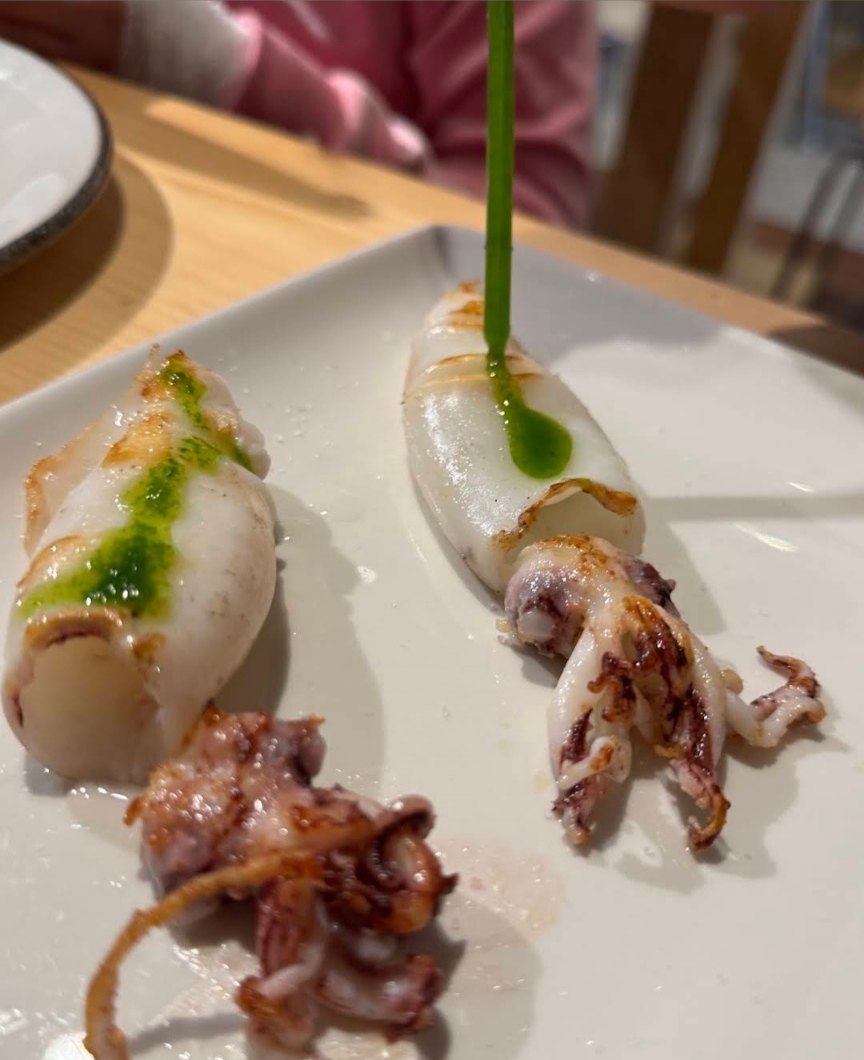
A common mistake among visitors is treating a tapa as a main course. Here it's meant for nibbling, sharing with friends, alongside a cold beer or local wine. No need to order three or four just for yourself — one or two, taste, and if you like it, order more or move to the next bar.
Don't worry if a place has a short tapas list; sometimes the simplest, most traditional ones are the best, and the waiter will happily recommend what's fresh that day, especially seafood.
Timing matters here too: forget tapeo at five in the afternoon unless you're in a very touristy spot.
Spanish cuisine
Alicante is proud of its own food — arroz a banda, olleta, fideuà — but locals also love a good feast from other Spanish regions. Galician cooking is a classic here: pulpo a feira, tender octopus with paprika and oil, done right in plenty of bars around El Pla.
Galician empanada, whether tuna, meat or scallop, with its flaky pastry and generous filling, is perfect to share at the table or take home for dinner. Several bakeries around Campoamor and Carolinas have mastered the recipe, non-Galician as they are.
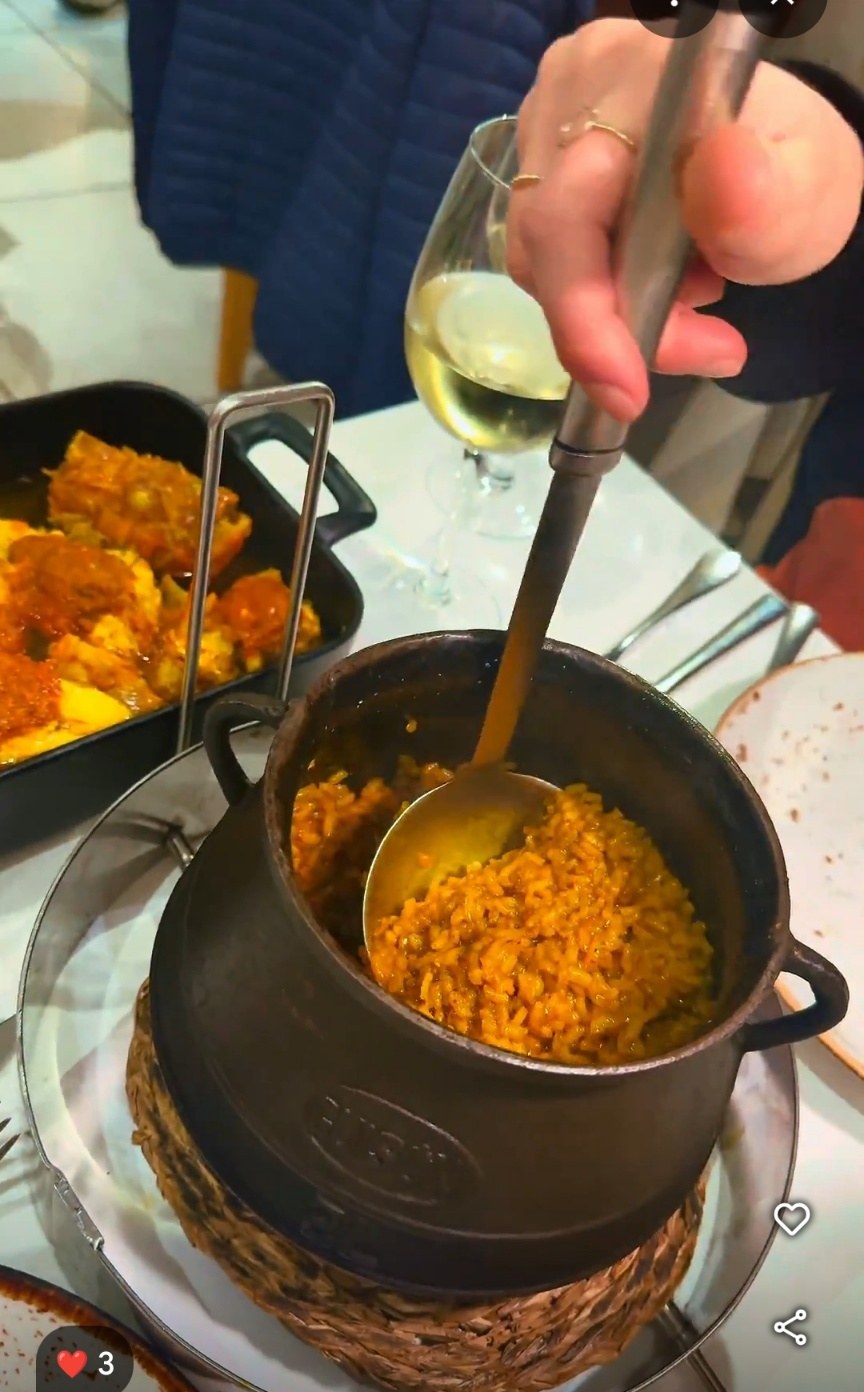
Then there's Basque food — pintxos with colour and flavour lined up along a bar near the Mercado Central or around Castaños. Going one by one, tasting a little of everything, is an experience best enjoyed slowly with a cold beer or txakoli.
And the txuleta (Basque-style rib steak), grilled to perfection, melts in the mouth. Alicante doesn't have the same cider-house tradition, but a few restaurants in the centre or San Gabriel do it justice, sometimes paired with local market vegetables.
A good trick for the txuleta: ask about the meat's origin and how long it's been aged — it shows interest and makes sure you get the best cut on offer.
And Andalusian cuisine deserves a mention too.
Mediterranean cuisine
Alicante takes Mediterranean cooking seriously — not only its own dishes, but the whole universe of flavours from this sea, from Italy to Morocco via Greece and Lebanon. What ties them together: sun, extra virgin olive oil from the local hills, and good company.
Visitors are often surprised by how varied the offer really is. They expect grilled fish and simple salads, and that's part of it, but there's much more: Italian food never disappoints, with Neapolitan pizza and al dente pasta with fresh seafood.
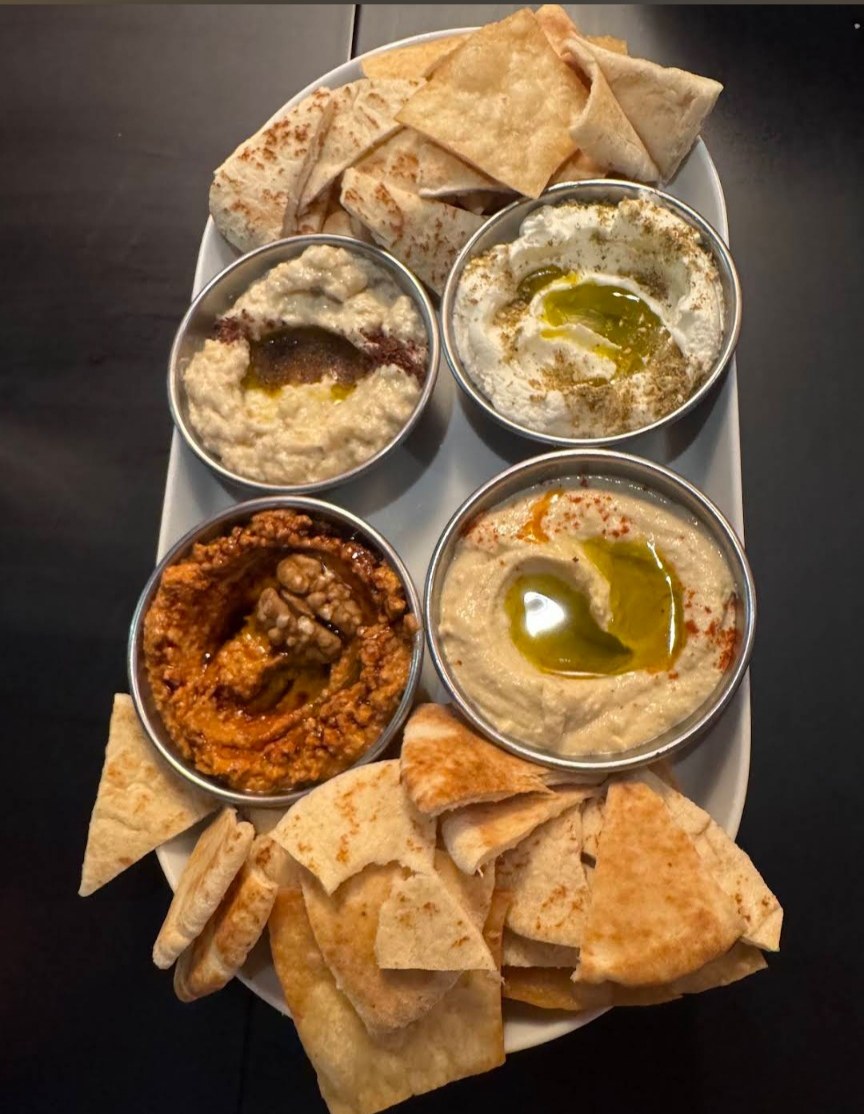
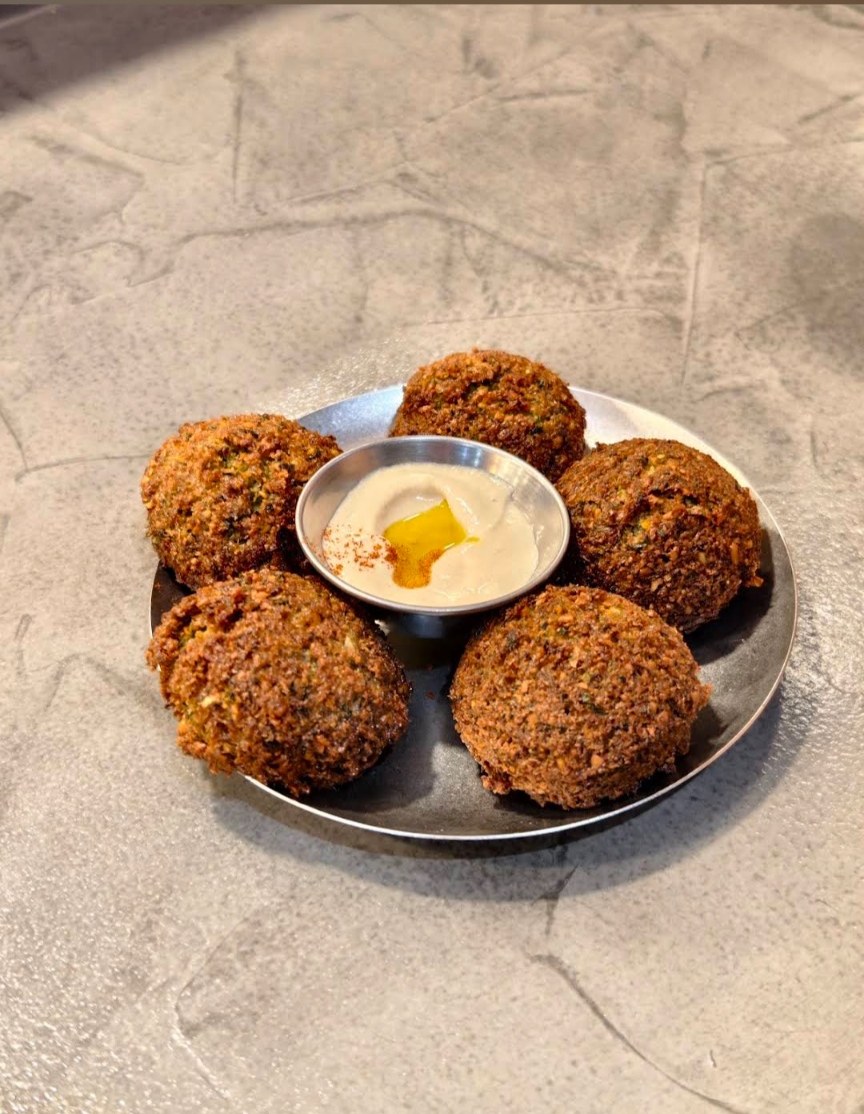
Lebanese and Moroccan food add another layer entirely — chicken tajine with preserved lemon, homemade hummus, crisp falafel, refreshing tabbouleh — flavours that transport you without a flight from El Altet airport.
For something more adventurous, restaurants around Rebolledo or San Vicente del Raspeig often serve authentic dishes, sometimes run by families cooking recipes passed down from grandmothers. Don't be afraid to ask about off-menu specials.
Most of these restaurants, especially the more traditional ones, open for lunch and again for dinner.
What it costs
One of the most common questions: how much does eating out cost here? It depends on what you're after. A traditional set lunch (menú del día) runs around €12–15 and usually includes a starter, main, dessert, drink and sometimes coffee.
Tapeo is more flexible: a quick bite and a beer for €5–6, or a proper dinner of shared plates for €20–25 per person, depending on how hungry you are.
Rice is a different story, and it's taken seriously here — the price reflects that. A good rice dish rarely goes below €15 per person, and with seafood like Denia red prawn or arroz a banda it's usually €20–25. It's the house specialty, and it's priced accordingly.
For a proper rice experience, go to an established restaurant with a long track record. In peak season — August, Fallas, Easter — book at least a couple of days ahead, especially near San Juan beach or along the Explanada.
Fried fish and seafood are another highlight, especially if you like mopping up the sauce with bread.
And let's not forget desserts.
Overall, Alicante is a place where you can eat very well without being overcharged.
All-you-can-eat buffets
When the family is large and the budget tight, an all-you-can-eat buffet is a lifesaver: you know the price up front and everyone eats what they like. Alicante has plenty of options, from Chinese and Japanese buffets with mountains of fried rice and variable-quality sushi, to pricier Mediterranean ones promising higher quality.
When does a buffet really pay off? It depends on your appetite and your company. If you're with light eaters, the fixed price works against you; if everyone's a big eater and wants to try a bit of everything without the bill spiralling, it's your moment.
Alicante has a good number of Asian buffets, some better than others, especially around El Pla or Vía Parque, often with a live wok station where you choose your ingredients and watch them cooked fresh.
Expect a queue at weekends or peak hours around 2pm. Once seated, drinks are usually brought by the waiter — don't go looking for them at the buffet itself.
More Mediterranean-style buffets are starting to appear too, which is a welcome change.
Sweets and desserts
As the afternoon winds down in Alicante, after a good rice lunch and a walk along the Explanada with the sea breeze, that sweet craving kicks in — and this city has plenty of ways to satisfy it. The obvious one is turrón, eaten year-round, not just at Christmas: the soft Jijona kind that melts in the mouth, and the hard Alicante version with whole crunchy almonds.
When the heat is on, from May to October, a lemon granizado (slush) saves the day: cold, sharp and refreshing.
Then there are the classics that taste like grandma's kitchen: toña, a sweet, fluffy bun sometimes baked with a whole hard-boiled egg inside, traditional at Easter but eaten year-round; or mona, a similar idea with a festive twist, decorated with chocolate figures.
For chocolate lovers, or when the day calls for something warming, thick hot chocolate with fresh churros never fails.
And ice cream here isn't limited to vanilla or chocolate.
Dinner: Italian
Alicante's Italian food scene is generous. If you think pizza is just one thing, you're in for a surprise: Neapolitan pizza, with its thick, airy crust, is everywhere and photogenic, but the thinner Roman style has its own loyal following.
There's more beyond pizza, too — fresh pasta is a world in itself. Many of the genuine places make it by hand, with semolina flour and local eggs, and you can taste the difference. A proper carbonara, with guanciale and egg yolk, no cream, is a small act of respect for the recipe.
For something more authentic, neighbourhood trattorias are a safe bet — small, unpretentious places where you eat like at home. A few in Carolinas Altas still hand-roll the pasta every morning.
Dining on a terrace in Alicante is almost mandatory given the climate — cool summer nights, mild winter evenings with a light jacket. A good pizza or pasta dish with a glass of local wine, watching the world go by along the Explanada or the harbour, is hard to beat.
If you're hunting for one of these gems, it's worth straying a little from the most touristy streets, though the centre still hides a few surprises.
Meat and grill
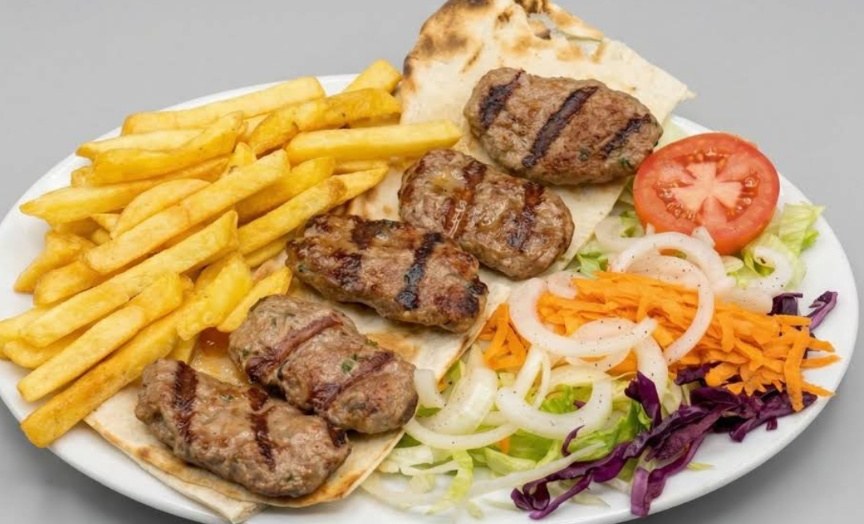
Meat is taken seriously here, down to the cut. Locals favour good produce, ideally over charcoal — a proper chuletón (rib steak) with the right marbling, not the gourmet-burger trend loaded with toppings that mask the flavour.
The grill is the undisputed star of many local steakhouses, especially around the centre or Ensanche. Wood-fired grills add an unmistakable, slightly smoky aroma. Argentine-style grill houses have also become popular and are often full.
Cooking point matters: a proper chuletón should be rare here, pink and juicy. Ask for it well done and you might get a raised eyebrow, but they'll serve it your way — you'll just miss part of the experience.
A tip for visitors: don't fall for signs near the harbour promising "the world's best steak" at suspiciously low prices. Good meat, properly grilled, has a fair price. Ask at the Mercado Central's butchers where they eat, or trust the waiter's recommendation.
When the craving hits, look for a grill house with the smell of wood smoke right at the door.
International Alicante
Alicante has become a real melting pot. It's no longer a surprise to walk through the centre, around Castaños or the Mercado Central, and suddenly catch a completely different aroma.
Peruvian ceviche is a highlight — fresh, sharp with lime, done particularly well around Ensanche and Benalúa. The secret, as any Peruvian will tell you, is in the "leche de tigre", the citrusy marinade left at the bottom of the bowl.
Chinese food has moved well beyond the old three-delight rice and spring rolls: some spots tucked around the centre or Carolinas now serve steamed dim sum, lacquered duck carved tableside, or Sichuan dishes with real numbing heat.
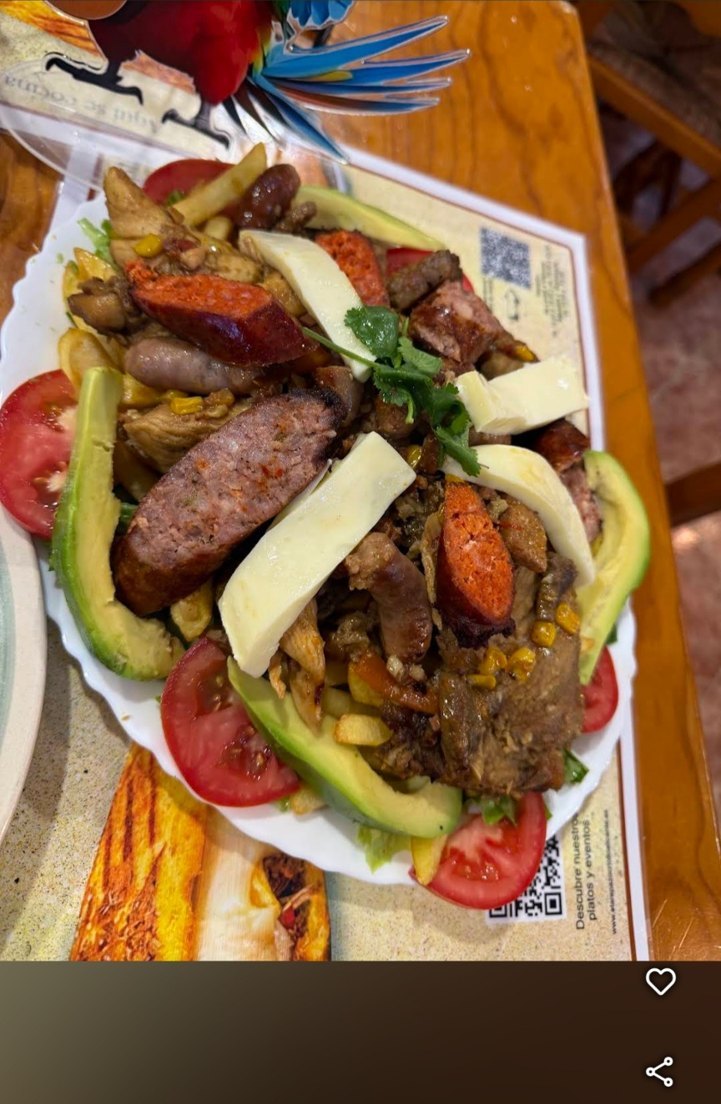
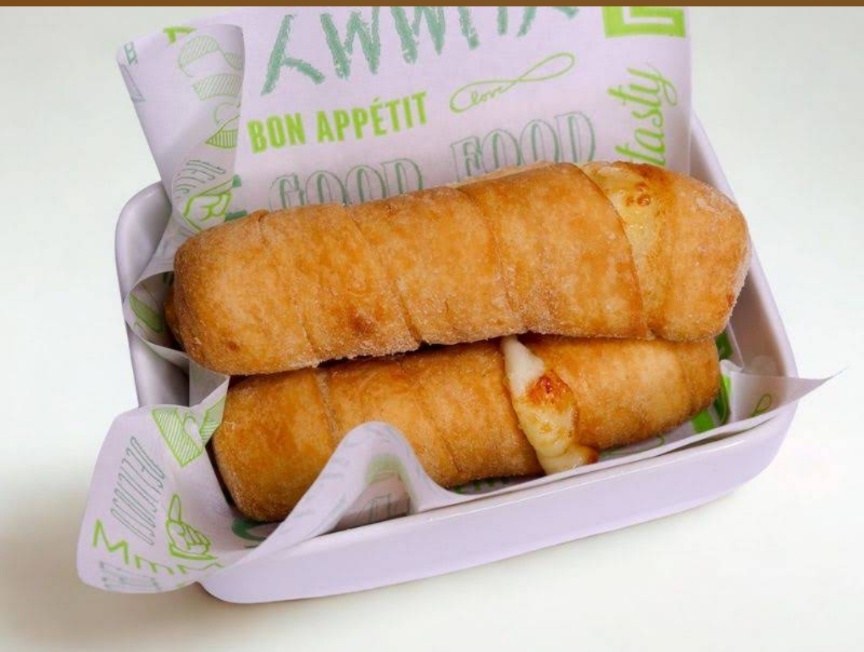
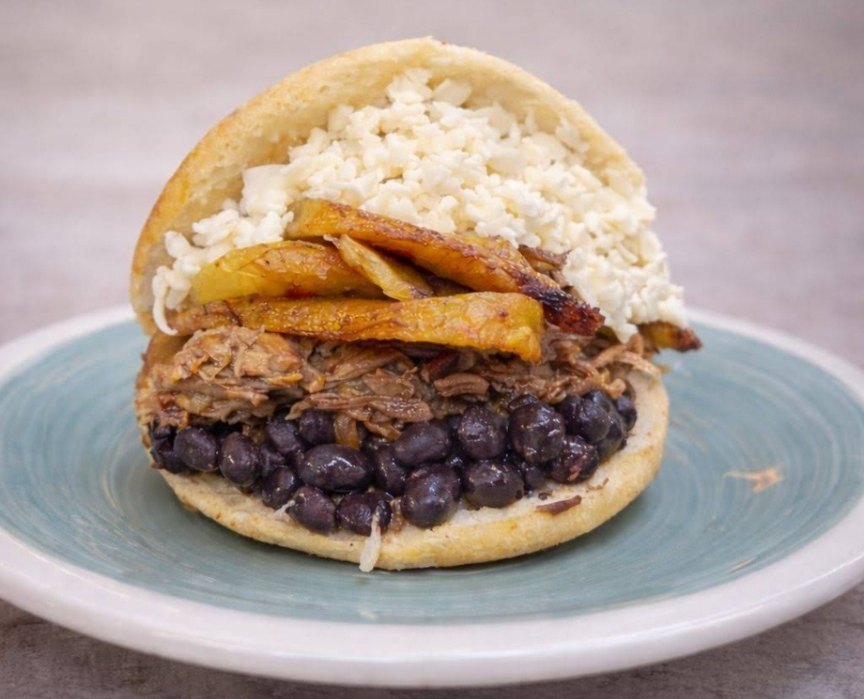
This wave of international flavours has changed the mood of entire neighbourhoods, too. Walking through San Gabriel or around Plaza de los Luceros on a weekend feels like a small trip abroad, with families enjoying arepas brunches or a parrillada, and several languages in the air.
So if you ever tire of arroz a banda or caldero — not that you should, they're wonderful and part of local identity — there's a whole world of flavours right here in Alicante.
Late-night food
After a long night out, Alicante knows exactly how to close things off. Around Castaños and the centre, where the crowd gathers from afternoon to well into the small hours, a kebab stand is usually the final stop.
If your night was around the harbour or the Barrio, where the party runs until sunrise, old-school burger joints with the grill always on are a lifesaver — not the big chains, but neighbourhood spots around Labradores or Raval Roig serving a simple, comforting burger.
And then, the true classic to close an Alicante night: churros. If the party runs until dawn, finding an early-opening churrería is a tradition passed down through generations — hot, sugary churros with chocolate as the perfect ending.
A tip: if you're around the busiest nightlife areas, like the Barrio or Castaños, you'll find more places open late. Check the side streets off the main ones — that's where the hidden gems are.
One more thing from experience: don't worry if the spot isn't glamorous or trendy-looking — that's usually not the point at 4am.
By area
Talk about eating in Alicante and the centre, especially around the Mercado Central, comes to mind first. There's life here from sunrise over the Postiguet, with stalls full of colour and the smell of spices, fresh fish and local produce, and busy bars nearby on streets like Calderón de la Barca or Avenida Alfonso el Sabio.
Then there's the Barrio, the old town beneath the Santa Bárbara castle: narrower, more labyrinthine streets, colourful houses, and a more bohemian, slightly rebellious atmosphere. Many visitors end up here, especially near the Concatedral de San Nicolás or Plaza de la Santísima Faz.
Head towards the harbour and the Explanada and it's another world entirely — open, bright, all about the view. Eating by the sea always feels special, though prices tend to be a bit higher too. There are elegant spots for a special dinner, and more casual ones for a quick bite or an aperitif.
Along the coast, San Juan beach is more of a summer destination, even for locals, packed with beach bars and terrace restaurants once the sun comes out.
But Alicante is much more than its touristy areas.
In more residential neighbourhoods, like La Florida or Pla del Bon Repós, the set lunch is often very competitively priced — a good, filling meal without denting your wallet.
All the venues
Choosing a restaurant in Alicante is a bit like fishing — you might get lucky or you might not. My advice for visitors: take a moment before sitting down, walk around, read the room. A good sign is seeing locals inside, speaking Valencian or with the local accent.
Another thing worth loving: a handwritten specials board. If a place has today's dishes chalked up by hand, chances are the cook picked up fresh produce at the Mercado Central that morning instead of running an unchanging menu all year.
And when it comes to rice, which is what puts this city on the map, you need to plan ahead. A good Alicante rice, with its fish-stock base and perfect grain, isn't a five-minute job — it takes care and skill. Turning up and ordering rice without pre-booking often means a rushed dish, or worse, a reheated one that doesn't live up to the reputation.
A cautionary tale: some years back, in the Barrio area, a group of tourists sat down at a terrace with sky-high prices and didn't get anywhere near what they expected.
 Dormir
 Comer
Comer Copas
Copas Qué hacer
 Playas
 Clima
Clima Parkings
 Vuelos
 Trenes
 Rent-a-car
 Cines
Cines Eventos
 Fiestas
 Resumen