Local guide · VamosAlicante

Things to do in Alicante

Updated 2026-02

Alicante is small enough to cover on foot and varied enough to fill three or four days. This is the shortlist in the order most visitors should tackle it, with the timing that keeps you out of the worst heat and the biggest crowds.
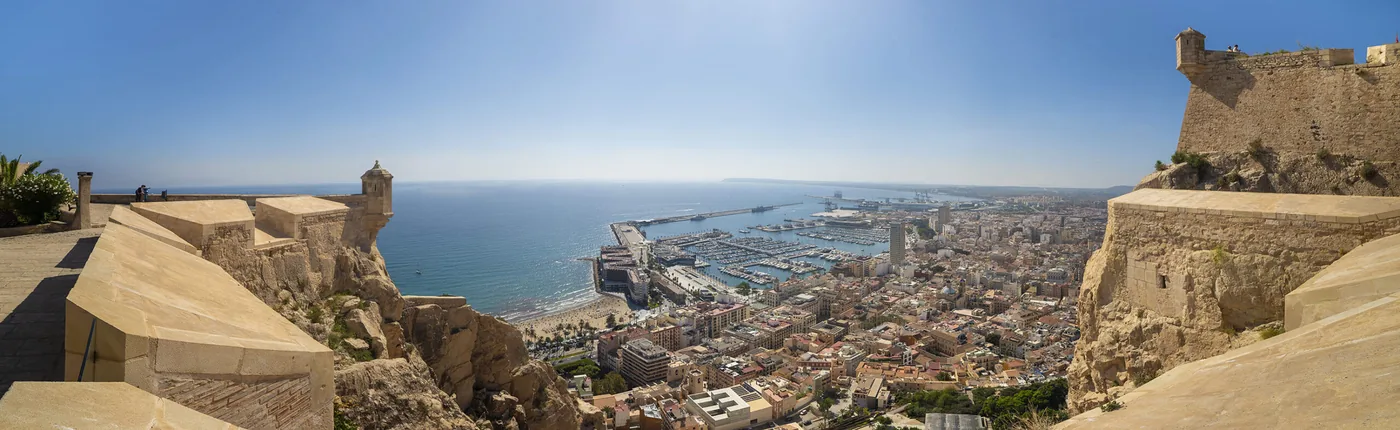
Panorámica del Castillo de Santa Bárbara y la bahía
© Alicante Turismo
Live tools you'll want on the ground

Castillo de Santa Bárbara

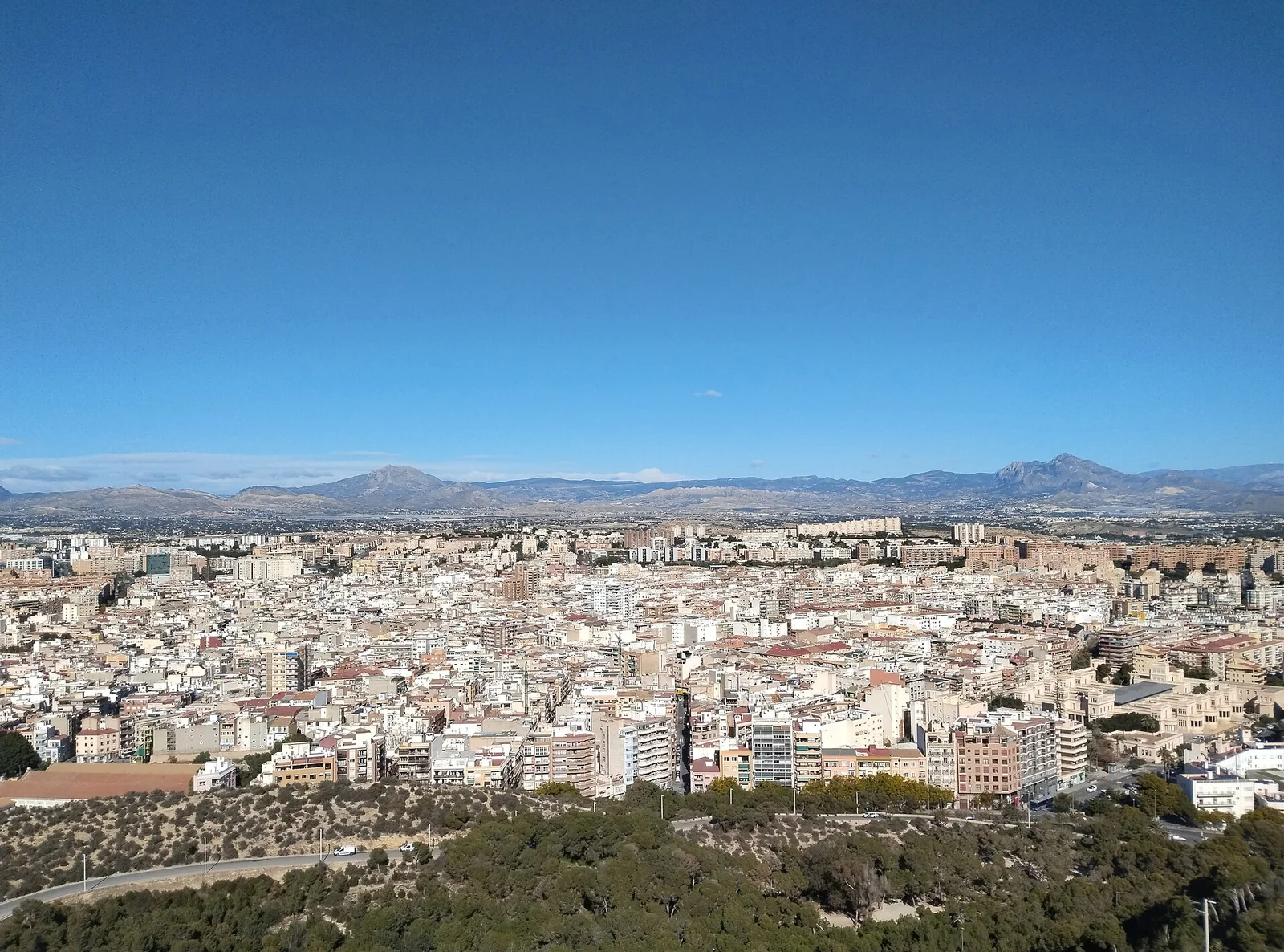
The castle sits on Mount Benacantil directly above the city, and the view from the top is the reason to go: the bay, the port, the whole grid of the city below. There is a lift up from the Postiguet side, or you can walk up through the park.

Go early morning or late afternoon. Midday in summer on an exposed hilltop is punishing, and the light for photographs is better at either end of the day. Allow about two hours.
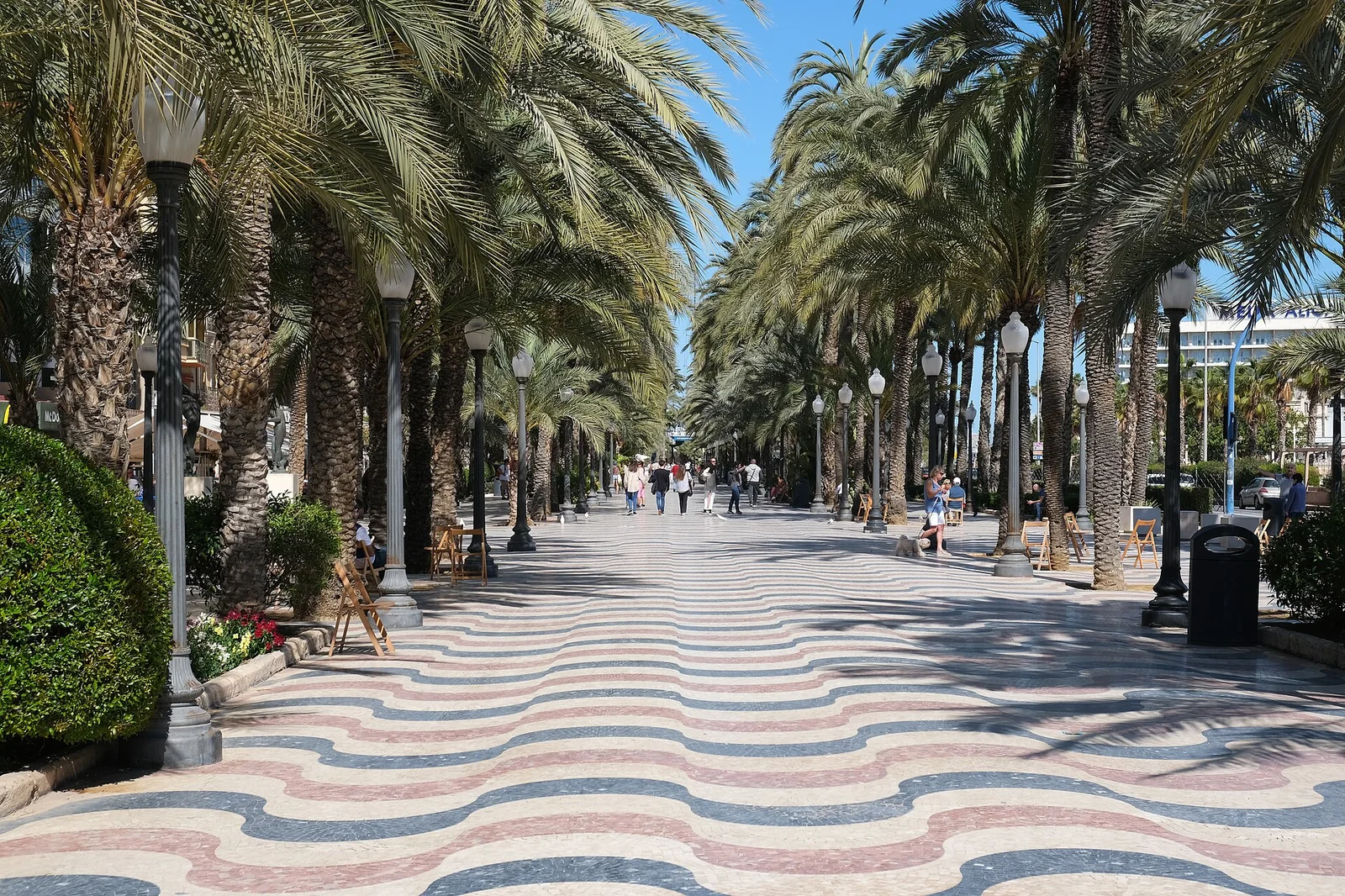
Explanada de España con su mosaico ondulado
© Alicante Turismo

El Barrio (Santa Cruz) and the old town

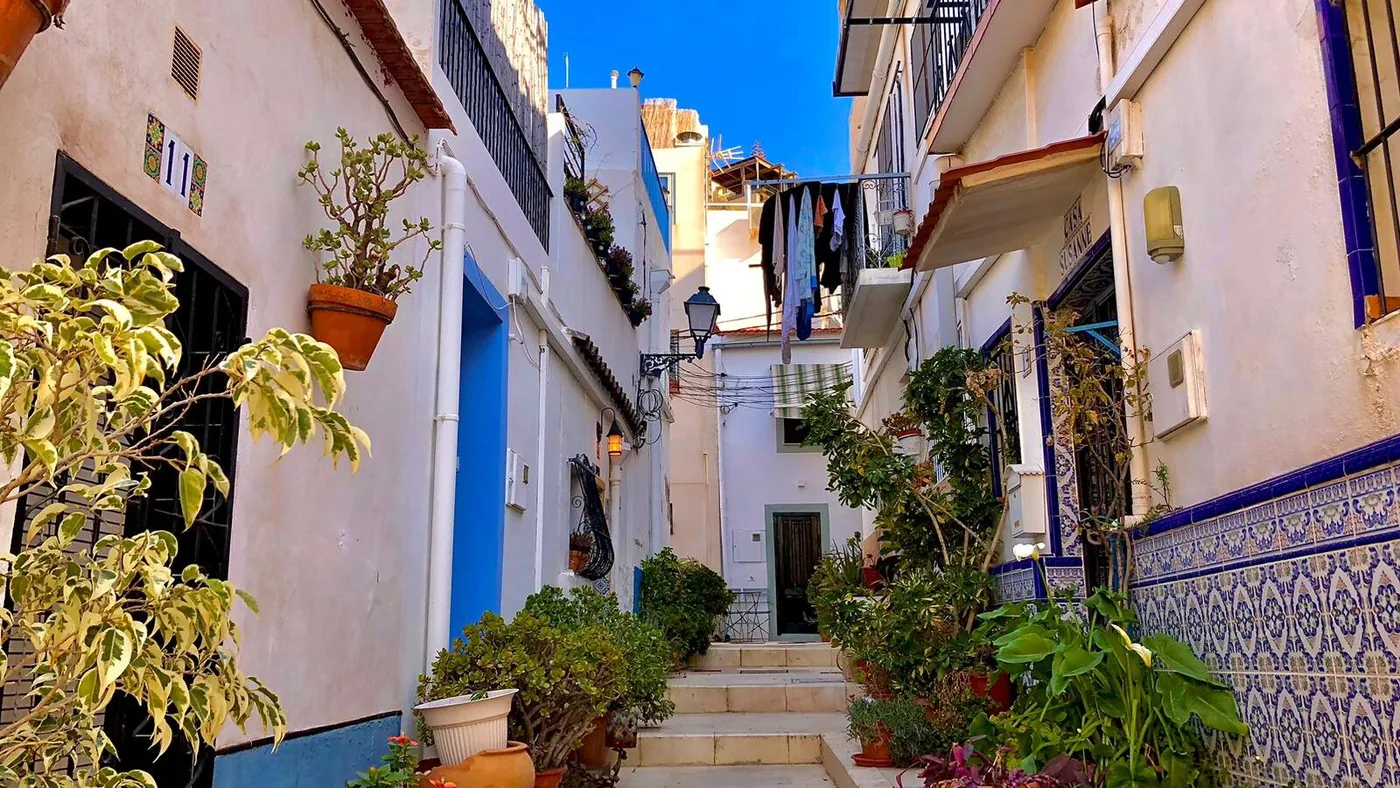
Below the castle, Santa Cruz is a steep grid of whitewashed houses, tiled façades and flowerpots. It is genuinely small — an hour of wandering covers it — but it is the prettiest part of the city and the best place to be at sunset.

The same area is the nightlife district after dark, which is worth knowing in both directions: lively if you want it, noisy if you booked a room there.

Calles del Barrio de Santa Cruz
© Alicante Turismo

The Explanada and the port

The Explanada de España is the wavy mosaic promenade along the seafront, shaded by palms, and the natural axis of an evening walk. It connects the old town to the marina and the port, where the Tabarca boats leave.

Ten minutes if you march it, an hour if you do it properly with an ice cream and a stop at the end.

Vistas desde el Castillo de Santa Bárbara
© Alicante Turismo

Mercado Central and eating

The Mercado Central is a working market, best in the morning: fish, rice, turrón, produce. Around it, the streets have the tapas bars locals actually use.

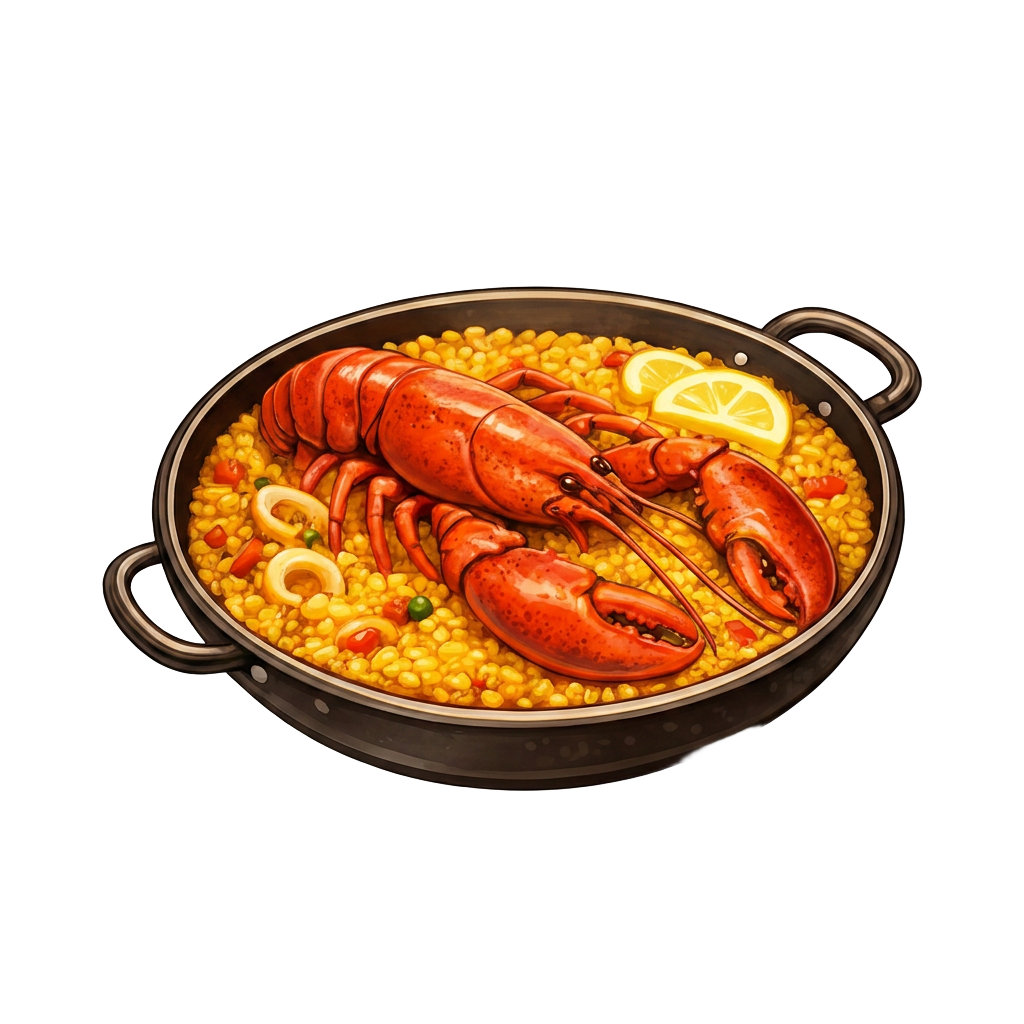
Rice is the regional dish, not paella specifically — arroz a banda and arroz del senyoret are the Alicante versions, and they are lunch dishes, ordered for two.

Beaches and the boat to Tabarca

Postiguet is the ten-minute-walk beach; Playa de San Juan, 25 minutes by tram, is the one for a full day. If you have three days or more, give one of them to Tabarca — an hour by boat, a marine reserve and the best snorkelling near the city.

MARQ and rainy-day options

The MARQ archaeological museum is the strongest indoor option and better designed than most regional museums. The MACA contemporary art museum in the old town is small, free and worth an hour.

Frequently asked questions

What is Alicante best known for?

The Santa Bárbara castle above the city, the Explanada seafront promenade, its beaches, and rice dishes such as arroz a banda.

How many days do you need in Alicante?

Two days cover the city itself. Three or four let you add Playa de San Juan, a Tabarca day trip and a nearby town.

Is Alicante walkable?

Yes. The castle, old town, Explanada, market and city beach are all within walking distance of each other.

What can you do in Alicante when it rains?

The MARQ archaeological museum, the MACA contemporary art museum, the Mercado Central and a long lunch — the city is compact enough that a wet day is not lost.

Is the Santa Bárbara castle free?

Access to the castle grounds is free; the lift up from the Postiguet side charges a small fare. Walking up through the park costs nothing.

What should I eat in Alicante?

Rice dishes — arroz a banda, arroz del senyoret — at lunch, plus local tapas and turrón from nearby Jijona.

Other Alicante guides in English

Explore Alicante

All local tools by VamosAlicante — one tap away.

Book your Alicante trip
Booking.comtrivagoKAYAKAviasalesKiwi.comCentauro Rent a CarIndigo Neo — ParkingsViatorRadical Storage

Written by locals in Alicante. Verify opening hours and schedules before you go.